
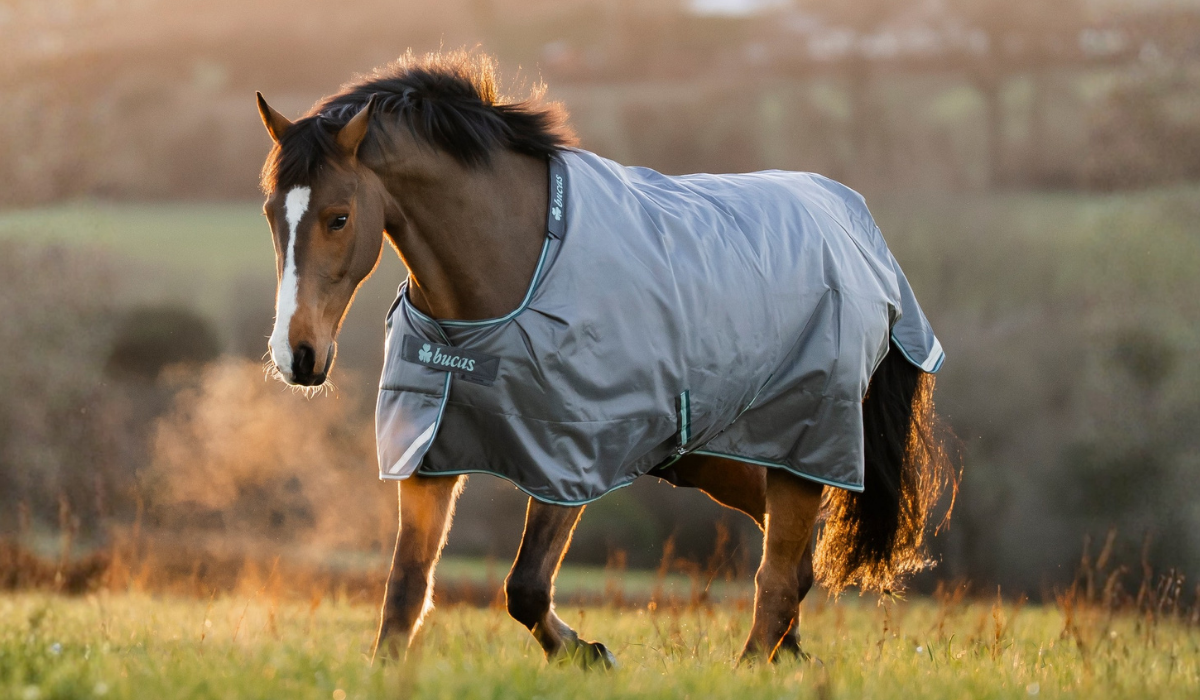
As temperatures drop and the days get shorter, many horse owners start wondering when it is time to put a (winter) rug on their horse. Does every horse need extra protection from the cold, or is its natural winter coat enough? The answer depends on several factors, including the horse’s coat, age, health and living conditions.
In this blog, you will learn when a winter rug may be beneficial, what to consider when choosing the right rug and how to prevent your horse from becoming too hot or too cold.
At What Temperature Does a Horse Need a Winter Rug?
To understand when a horse may need a rug, it helps to look at the thermoneutral zone. This is the temperature range in which the body can maintain its core temperature without having to use additional energy to stay warm or cool down. For humans without clothing, this range is approximately 28–30°C (82–86°F). For horses, it is quite different, and their coat plays an important role.
For an unclipped horse with a winter coat, the thermoneutral zone is approximately -5 to +15°C (23–59°F). For a horse with a summer coat, the comfort zone is around 5–25°C (41–77°F). A clipped horse generally feels most comfortable at temperatures between 10 and 20°C (50–68°F), as it has less natural insulation.
These temperatures are guidelines rather than fixed thresholds at which you should automatically put a rug on your horse. Every horse has different needs, depending on its coat, health, body condition and living environment.
A horse with a thick winter coat may be perfectly comfortable without a rug in low temperatures, while a clipped horse may need extra protection in the same conditions. Therefore, do not look at the thermometer alone. Consider rain, wind and whether your horse has access to shelter. Prolonged wet and windy weather can make it more difficult for a horse to maintain a comfortable body temperature.
Which Factors Determine Whether Your Horse Needs a Winter Rug?
1. Your Horse’s Coat
A horse’s natural coat is an important factor when deciding whether it needs a winter rug. Many horses develop a thicker coat in autumn, which helps them maintain their body temperature. The hairs trap air, creating an insulating layer that helps retain warmth.
Horses with naturally thick winter coats can often adapt well to colder conditions. Horses with finer or thinner coats may need extra protection sooner. The amount of time your horse spends outdoors also matters. A horse that spends most of the day outside has different needs from one that stays primarily in a stable.
2. Is Your Horse Clipped?
A clipped horse has less natural insulation and can therefore lose heat more quickly. Horses that are exercised regularly during winter are often clipped to reduce excessive sweating during exercise.
Because some or most of the natural protection provided by the coat has been removed, it is important to choose a rug that suits the degree of clipping, the weather and the horse’s living conditions. A fully clipped horse will generally need more protection than a horse that has only been partially clipped.
Extra care is also important after riding. A sweaty horse can cool down more quickly in cold weather. A sweat rug can help wick away moisture while your horse cools down and dries. Once the coat is dry, you can assess whether your horse needs a different rug.
3. Age and Health
Not every horse can regulate its body temperature equally well. Older horses, horses recovering from illness and horses that struggle to maintain their weight may need additional support during cold periods.
Body condition also plays a role. An underweight horse may find it more difficult to maintain sufficient body heat. It is therefore important to consider more than just the rug itself. Nutrition, body condition and overall health are equally important. If you are unsure what your horse needs, consult your vet for advice.
4. Rain, Wind and Shelter
Cold, dry weather is often easier for horses to tolerate than prolonged rain combined with strong winds. A wet coat and harsh weather conditions can make it more difficult for a horse to stay comfortably warm.
Does your horse have access to a suitable field shelter, trees or dense hedges? These can provide protection from wind and rain. If your horse spends long periods outdoors without sufficient shelter, a waterproof turnout rug may be a suitable option, depending on its individual needs.
Keep in mind that not every horse needs a rug. A healthy, unclipped pony with a thick winter coat and access to adequate shelter may be perfectly comfortable outdoors without one.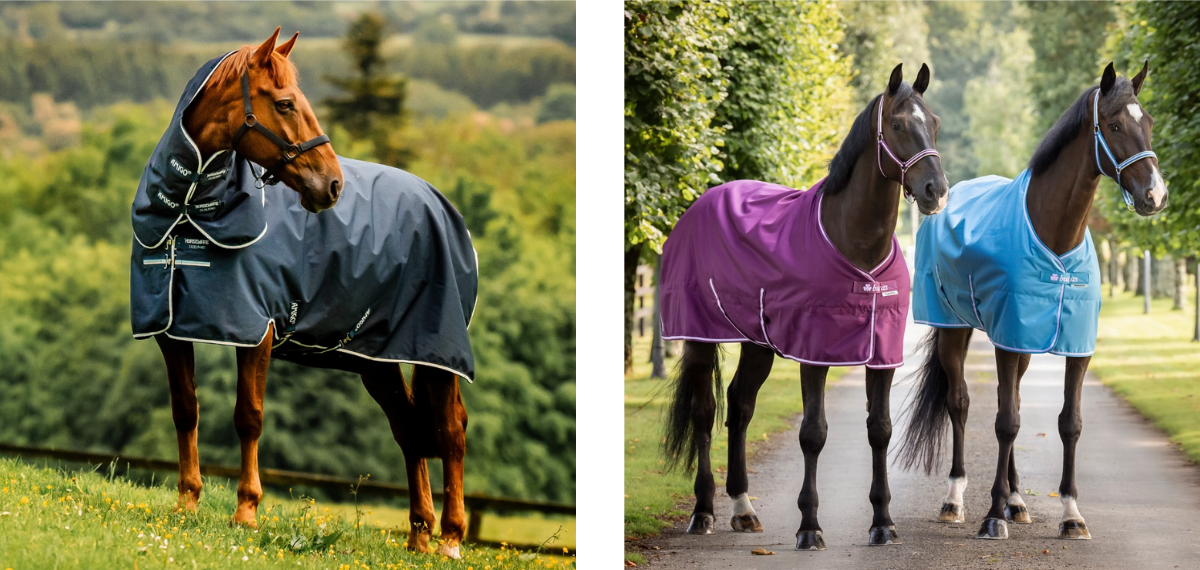
Which Winter Rug Is Right for Your Horse?
Once you have established that your horse would benefit from wearing a rug, the next step is choosing the right type. Both the weather conditions and the features of the rug play an important role. The fill weight, measured in grams, indicates how much insulation the rug provides, but it does not determine on its own which rug is most suitable.
Unfilled Rain Rug (0g)
An unfilled rain rug, often referred to as a 0g rug, protects against rain and wind without providing additional insulation from filling. This can be a suitable choice for horses that mainly need to stay dry but can retain enough body heat naturally.
For example, the Amigo Ripstop 900D Plus Turnout Blanket is an option to consider if your horse needs waterproof protection without the added warmth of a filled rug.
Keep in mind that an unfilled rug is not automatically suitable for every temperature. The quality and durability of the outer material, the fit and the duration and intensity of rainfall all play a role.
Denier (D) is a measurement used to describe the thickness of the yarn in the rug’s outer fabric. Turnout rugs are available in different denier ratings, such as 600D and 1200D. A higher denier rating can indicate a more robust fabric, although the overall durability of a rug also depends on its construction and materials.
Lightweight Winter Rug
A lightweight winter rug provides protection against rain and wind, along with a limited amount of additional insulation. Depending on the product, this category may include rugs with a light filling or certain fleece-lined designs.
For example, the Bucas Power Turnout Light is a lightweight turnout rug to consider when looking for a rug that offers weather protection and additional warmth. Always check the manufacturer's specifications for the exact filling and temperature guidance, as these can vary between models.
The right choice depends on your horse’s coat, clipping status and the weather conditions. Check regularly that your horse remains comfortable underneath the rug.
Medium-Weight or Heavyweight Winter Rug
A medium-weight or heavyweight winter rug provides more insulation and may be suitable for horses with limited natural coat insulation or those that need additional warmth in colder conditions. For example, a clipped horse that spends a lot of time outdoors may benefit from a more heavily filled rug.
However, more filling does not automatically mean a better rug. If your horse becomes too warm and starts sweating underneath it, the rug may be too insulating. Choose a rug that meets your horse’s actual needs rather than simply opting for the thickest option.
Winter Rug with a Neck Cover
Some winter rugs feature an integrated neck or detachable neck cover. This provides additional coverage and can be useful in certain conditions, particularly for clipped horses that spend extended periods outdoors.
A neck cover is not essential for every horse. Consider the fit, the thickness of the mane and the possibility of rubbing or overheating when deciding whether this feature is suitable.
How Do You Choose the Right Fill Weight?
When choosing a winter rug, it is important to look beyond the fill weight alone. A horse with a thick winter coat will often need less additional insulation than a fully clipped horse. Rain, wind, shelter and whether you can change the rug throughout the day also influence your decision.
Check your horse regularly and adjust the rug when conditions change. This helps prevent your horse from becoming too hot or too cold.
How Can You Check Whether Your Horse Is Warm Enough?
It is tempting to choose a rug based on how cold you feel yourself, but horses experience temperature differently from humans. Regularly check whether your horse is comfortable.
A practical way to do this is to slide your hand underneath the rug around the withers, just behind the shoulder or over the hindquarters. The skin should feel comfortably warm and dry.
Pay attention to your horse’s behaviour as well. Shivering, frequently seeking shelter or appearing tense may indicate that your horse is cold. Excessive sweating underneath the rug, warm and damp skin or signs of restlessness may suggest that your horse is too warm.
Check your horse daily and adjust the rug when weather conditions change. Bear in mind that temperatures can vary considerably between morning and afternoon. If you cannot change the rug during the day, choose an appropriate option that is not excessively warm for the expected conditions.
Common Mistakes When Using a Winter Rug
Even if you have chosen the right rug, there are several things to keep in mind.
Choosing a rug that is too warm. A thicker rug is not automatically better. If your horse starts sweating, this can cause discomfort. Consider the overall conditions rather than looking at the outdoor temperature alone.
Not checking the rug regularly. Check daily that the rug is sitting correctly and that no rubbing or damage has developed. Pay particular attention to the withers, shoulders and chest.
Overlooking the fit. A rug that is too tight can restrict movement and cause rubbing. A rug that is too loose may shift and cause discomfort as well. Always check the fit and follow the sizing guide provided by the manufacturer.
Forgetting that conditions change. A rug that is suitable on a cold, wet day may become too warm on a sunny afternoon. Continue to monitor the temperature, weather and your horse’s comfort.
Relying on the rug alone. Adequate forage, access to water, shelter and appropriate care remain essential for keeping your horse healthy and comfortable throughout winter.
Discover Winter Rugs at Hypostore
Choosing the right winter rug starts with understanding your horse’s individual needs. Consider its natural coat, clipping status, age and health, as well as the conditions in which it lives. Not every horse needs the same level of protection, and even on the coldest days, the heaviest rug is not automatically the best choice.
Looking for a suitable rug for your horse? Explore the winter rug collection at Hypostore and compare the different designs, fill weights and fits. This will help you make an informed choice that suits your horse and its living conditions.