
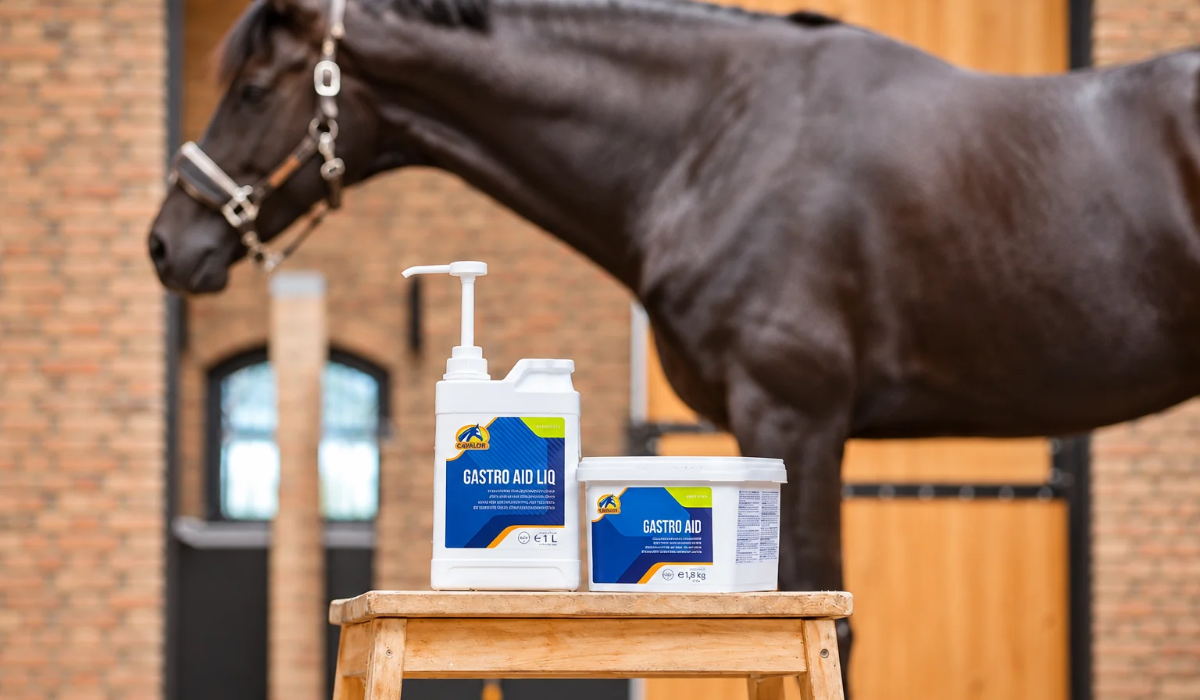
Gastric ulcers are relatively common in horses and can be a challenge for both horses and their owners. But what exactly causes gastric ulcers? Which factors play a role, and how can you support your horse's stomach health? Nutrition, exercise and daily management all have an influence.
In this blog, you'll learn how gastric ulcers can develop in horses, which signs to look out for and what you can do to support your horse's stomach health.
How Do Gastric Ulcers Develop in Horses?
A horse's stomach produces gastric acid continuously, even when the horse is not eating. The stomach lining consists of different areas, which are not all equally protected against this acid.
When a horse chews forage, it produces saliva. Saliva contains bicarbonate, among other substances, which helps neutralise stomach acid. The presence of forage in the stomach also helps provide a protective layer.
When a horse goes for extended periods without forage, less saliva is produced. As a result, the natural protection against stomach acid decreases. The acid can then come into greater contact with the less protected areas of the stomach lining, potentially leading to irritation, damage and gastric ulcers.
In addition to feeding management, other factors can also contribute to the development of gastric ulcers. These include intensive training, transport, stress, competitions and changes to the daily routine. Often, it is a combination of several factors that places additional strain on a horse's stomach.
How Can You Recognise Gastric Ulcers in Your Horse?
Gastric ulcers are not always easy to recognise. Symptoms can vary from horse to horse and are not necessarily specific to stomach problems. Some horses show clear changes, while others display only subtle signs.
Possible signs of gastric ulcers or stomach problems include:
-
Changes in appetite: your horse eats less, leaves food unfinished or becomes more selective about its feed.
-
Changes in behaviour: your horse reacts differently than usual or shows changes in temperament.
-
Reduced performance: your horse has less willingness to work or performs less well during exercise.
-
Sensitivity: your horse reacts more sensitively when being groomed, saddled or girthed.
Have you noticed changes in your horse's behaviour, appetite or performance? Discuss these signs with your veterinarian. Only appropriate veterinary examinations, such as a gastroscopy, can determine whether gastric ulcers are actually present. Your veterinarian can then recommend an appropriate treatment.
Preventing Gastric Ulcers in Horses: The Importance of Daily Management
Good stomach health starts with daily care and feeding management. Although gastric ulcers cannot always be prevented, there are several practical steps you can take to support your horse's stomach health.
1. Provide Sufficient Forage
Providing enough forage is one of the most important aspects of good feeding management. Chewing hay or grass stimulates saliva production, which helps neutralise stomach acid.
Make sure your horse has access to sufficient forage throughout the day and avoid long periods without food wherever possible. This helps support the stomach's natural protective mechanisms.
2. Adapt the Feeding Schedule to Your Horse
Every horse has different nutritional requirements. When planning your horse's feeding schedule, consider its age, weight, workload and daily routine.
Divide concentrate feed into several smaller portions and, where possible, provide forage before exercise. This helps avoid starting a training session on an empty stomach.
3. Consider Training and Stress
Intensive training, competitions and transport can place additional strain on your horse's stomach. Changes in the environment or daily routine can also cause stress.
Try to maintain sufficient rest and consistency in your horse's routine. Allow enough time for recovery and consider the overall demands placed on your horse each day.
4. Support Stomach Health When Needed
In addition to good feeding management, a nutritional supplement can form part of a broader approach to supporting stomach health. It is important to choose a product that suits your horse's individual needs.
However, a supplement is not a replacement for sufficient forage, appropriate management or veterinary treatment when required.
Cavalor Gastro Aid: Supporting Your Horse's Stomach Health
Alongside good feeding management, you may choose to provide additional support for your horse's stomach health with a nutritional supplement. Cavalor Gastro Aid is designed as a supplement to your horse's daily feeding management.
The herbs in this supplement are intended to support a healthy stomach environment and help protect the stomach lining. The product is also designed to stimulate saliva production and support the recovery of the stomach.
It is important to remember that a supplement does not treat gastric ulcers and cannot replace veterinary treatment. If you suspect your horse has gastric ulcers, always consult your veterinarian first.
Which Cavalor Gastro Aid Is Right for Your Horse?
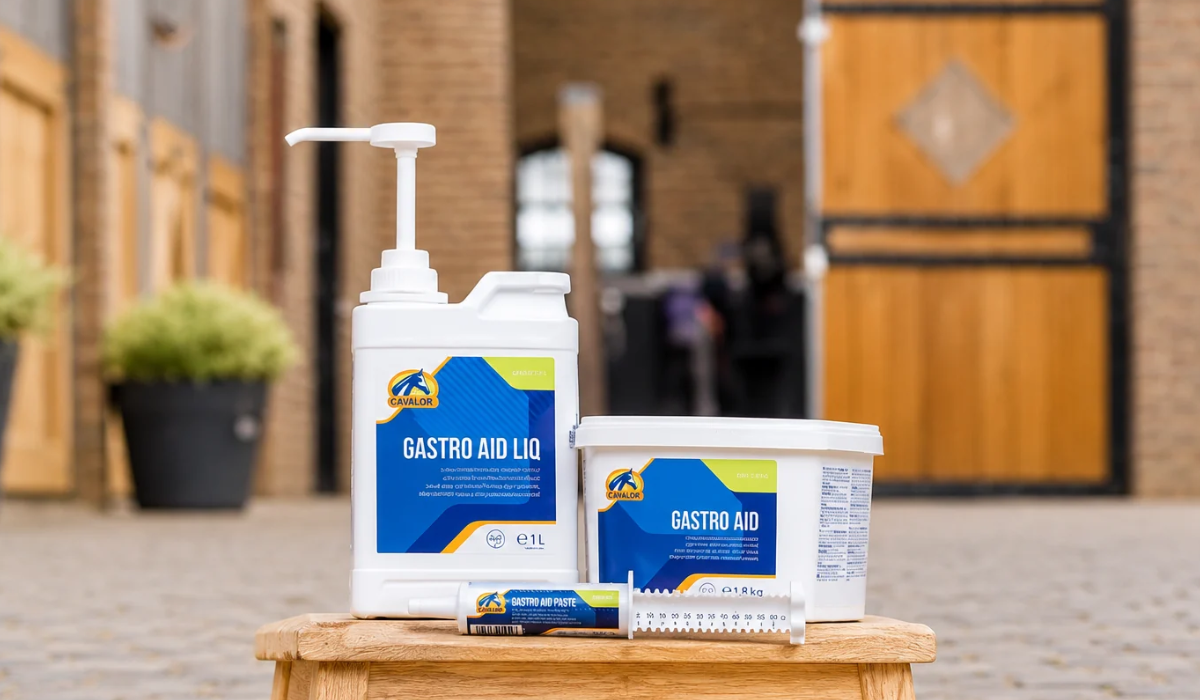
Cavalor Gastro Aid is available in three different forms. This allows you to choose the option that best fits your horse's daily care and feeding routine.
Cavalor Gastro Aid Paste
The paste comes in convenient tubes, making it practical and easy to use. This option is particularly suitable for situations where convenience is important, such as competitions and transport, or when your horse temporarily has a reduced appetite.
Cavalor Gastro Aid Powder
The powdered version can easily be mixed into your horse's daily feed. This makes it simple to incorporate the supplement into your horse's regular feeding routine.
Cavalor Gastro Aid Liquid
The liquid version is also easy to use and offers a practical alternative for horse owners who prefer working with a liquid supplement.
Pay Attention to Your Horse's Stomach Health
A healthy stomach starts with sufficient forage, an appropriate feeding schedule and a good balance between exercise, rest and recovery. By paying attention to your horse's daily management, you can help support its stomach health as effectively as possible.
Would you like to provide additional support for your horse's stomach health? Explore the different Cavalor Gastro Aid options and discover which form best suits your horse's feeding routine.
Always take changes in behaviour, appetite or performance seriously. If you suspect gastric ulcers, it is important to contact your veterinarian promptly.