
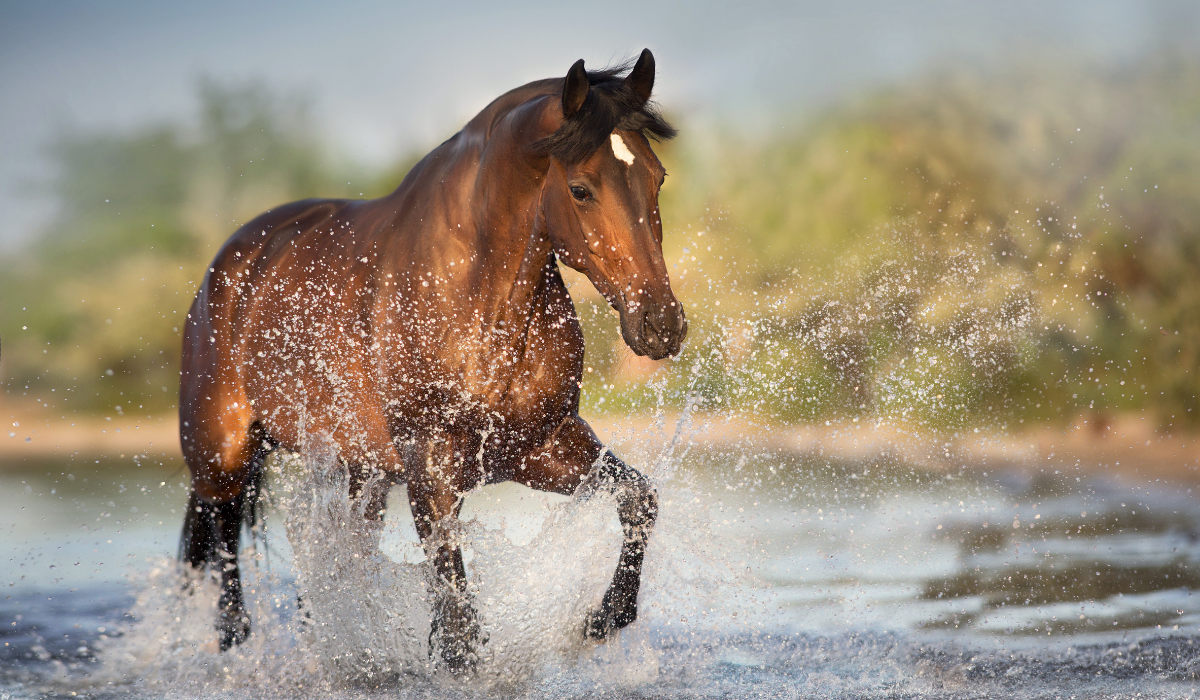
Summer has arrived! It's a wonderful season when horses and foals can fully enjoy green pastures and sunny days. However, warm weather also comes with risks. High temperatures can lead to dehydration, reduced performance, and even overheating.
In this blog, we'll explain what horse owners should watch out for during hot weather and how to best support their horses throughout the summer months.
How Well Do Horses Handle Heat?
Horses are most comfortable in temperatures between -5°C and 15°C (23°F to 59°F). Between 15°C and 20°C (59°F to 68°F), most horses can still adapt well, provided they have access to sufficient shade and fresh drinking water.
As temperatures continue to rise, the risk of heat stress increases. That's why it's important to keep a close eye on your horse during hot summer days.
Foals and Heat: Extra Care Is Essential
Foals are particularly sensitive to high temperatures. Their bodies are still developing, making it more difficult for them to regulate their body temperature compared to adult horses.
A foal that spends a lot of time lying in the sun or breathes slightly faster than usual isn't necessarily in immediate danger. However, it's important to ensure the foal has access to shade and drinks regularly.
If you notice one or more of the following signs, contact your veterinarian immediately:
- Lethargic or listless behavior
- Drinking little or refusing to drink
- Dull eyes
- Dry gums
- Reduced skin elasticity (the skin takes longer to return to its normal position)
These symptoms may indicate dehydration or overheating.
Tips for Foals During Hot Weather
- Avoid leaving foals in direct sunlight all day.
- Provide plenty of shade in the pasture.
- Regularly check if the foal is drinking.
- Monitor the foal several times throughout the day.
- Always provide fresh, clean drinking water.
Older Horses Need Extra Support
Senior horses, generally from around 18 to 20 years of age, can also be more sensitive to heat. Their metabolism and recovery processes are often less efficient, making them more susceptible to dehydration and fatigue.
Pay close attention to signs such as:
- Lethargy
- Faster breathing
- Reduced eating or drinking
- Lower activity levels
Make sure older horses always have access to shaded areas and fresh water.
You can encourage drinking by offering an additional water source or supplementing their diet with electrolytes. A salt lick can also help provide essential minerals.
Even Healthy Adult Horses Can Be Affected by Heat
Is your horse in the prime of its life? That doesn't mean hot weather won't affect them.
Try to schedule training sessions early in the morning or later in the evening when temperatures are lower. During these times, your horse's body doesn't have to work as hard to stay cool.
Keep in mind that a horse that has spent the entire day outside in warm temperatures may still be more tired than usual, even during an evening ride.
During hot weather, horses lose significant amounts of fluid through sweat. Along with this moisture loss, important minerals that support hydration and muscle function are also depleted.
That's why access to fresh water, shade, and electrolyte supplementation can be important parts of your horse's summer management routine.
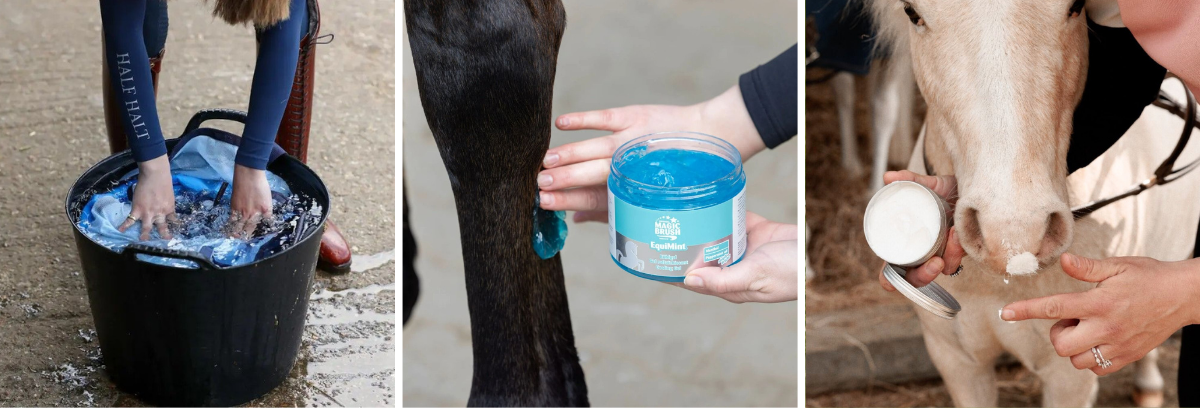
Extra Cooling for Your Horse During Hot Weather
Besides providing sufficient drinking water, shade, and electrolytes, there are several products that can help your horse stay comfortable during hot summer days.
Cooling Rugs
A cooling rug is ideal for horses that struggle with heat, especially after training, competitions, or transport. These rugs typically work through evaporative cooling: simply soak the rug, wring it out, and place it on your horse. As the moisture evaporates, excess body heat is gradually removed, helping the horse cool down naturally.
Cooling rugs are particularly useful for horses that dislike being hosed down with water.
Cooling Leg Protection
A horse's legs endure a great deal of stress during training and competitions, especially in warm conditions. Cooling boots and wraps can help cool tendons and joints after exercise while supporting recovery.
These products are commonly used after workouts, competitions, or for horses that are particularly prone to leg strain.
Cooling Care Products
For additional cooling, you can use specially formulated cooling gels, clays, shampoos, or washes. These products are designed to refresh muscles, tendons, and joints after exercise and support recovery after training on hot days.
They are easy to apply and make a valuable addition to your horse's summer grooming routine.
Don't Forget Sunscreen
Just like humans, some horses can suffer from sunburn. Horses with pink skin around the nose, lips, or eyes are particularly vulnerable. This includes grey horses, coloured horses, and horses with large white facial markings.
Using a sunscreen specifically designed for horses helps protect sensitive areas from harmful UV rays and prevents painful sunburn. Reapply regularly, especially if your horse spends a lot of time outdoors or sweats heavily.
Our Summer Essentials for Horses
During warm periods, we recommend a combination of:
- Electrolytes to replenish lost minerals.
- A cooling rug for extra comfort after training or transport.
- Cooling leg protection to support tendon and joint recovery.
- Cooling care products for quick and refreshing relief.
- Sunscreen for horses with sensitive or light-coloured skin.
Together, these products can help keep your horse comfortable, healthy, and hydrated throughout the summer.
Why Are Electrolytes Important for Horses?
Electrolytes are minerals dissolved in body fluids, allowing them to be absorbed quickly by the body. They play an important role in maintaining hydration, supporting muscle function, and aiding recovery after exercise.
Key electrolytes for horses include:
- Sodium
- Potassium
- Chloride
- Calcium
- Magnesium
- Phosphate
- Bicarbonate
During hot weather, intensive training, or competitions, horses lose these minerals through sweat. Since the body cannot replenish them sufficiently on its own, supplementation can be beneficial.
Many electrolyte supplements also contain additional ingredients such as Vitamin B, Vitamin C, or dextrose. These can help support energy levels and recovery after exercise.
What Is the Difference Between Electrolytes and Minerals?
Minerals are nutrients horses require daily as part of a balanced diet. Electrolytes are these same minerals in a dissolved form, making them more readily available for rapid absorption.
This is why electrolyte supplements are often recommended during hot weather, intensive training, and competitions.
Which Electrolytes Are Right for Your Horse?
There are many different electrolyte supplements available. The best option depends on your horse's workload, activity level, and personal preference.
For Daily Use During Warm Summer Days
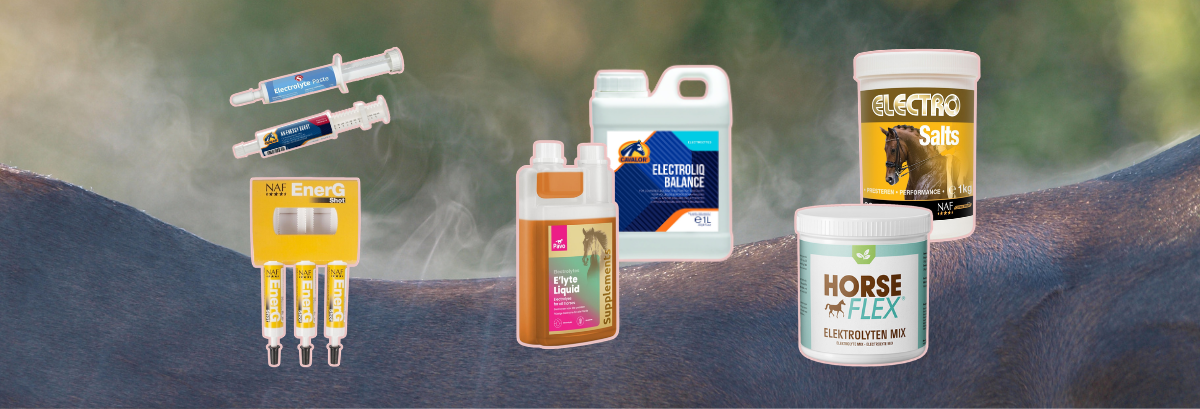
HorseFlex Electrolytes Mix is a popular choice for horses that need additional support during hot weather. This supplement helps replenish minerals lost through sweating and is available in various package sizes.
VITALstyle Electrolytes Mix is also suitable for horses that spend a lot of time outdoors, train regularly, or compete during warmer periods.
For Sport Horses and Intensive Training
Do you train frequently or compete regularly? Then a more concentrated electrolyte supplement may be beneficial. Cavalor Electrolyte Balance has been specifically developed for horses that lose large amounts of fluid and minerals during exercise.
NAF Electro Salts is another popular option among competitive riders and sport horse owners.
For Horses That Prefer Liquid Supplements
Some horses are reluctant to eat powdered supplements. In these cases, liquid options such as Pavo E'lyte Liquid or NAF Liquid Electrolytes can be an excellent alternative.
Liquid electrolytes are easy to mix into feed and are often readily accepted by horses.
Fast Support After Intense Exercise
Has your horse recently completed a demanding training session, competition, or long journey? Then a direct administration product such as Sectolin Electrolyte Paste can be a practical solution.
This convenient format is easy to administer and ideal when you're on the go.
Do You Have Questions?
Not sure which supplement is best suited to your horse, or would you like personal advice?
Feel free to contact our customer service team. Our specialists are happy to help you find the best solution for your horse.