

Every horse has its own build and movement, which is why finding a girth that fits your horse properly is very important. If a girth does not fit properly, girth aversion or injuries can occur at worst. The right girth should therefore be chosen based on your horse's build. The right size and shape of the girth is also very important for the balance of the saddle.
In addition, each horse also has a different place for the girth groove, which is the place where the girth will naturally lie while riding. The girth groove is located at the narrowest spot of the ribs. From the side, the girth groove can be seen where the ribs go slightly up or sometimes down. Normally, this is often 10 centimetres behind the elbow. However, there are also horses where the girth groove is directly behind the elbow or where the girth groove is actually further back.
Choose the right girth size!
For your own convenience and for your horse, it is pleasant not to have to put too much effort into getting the girth on the first hole. With an all-purpose saddle or jumping saddle, you want the buckles on both sides to be at about the middle hole of the billets when you buckle up. With a dressage saddle you use a short girth and, in this case, it is a bit more precise. The buckles should be about a hand width above the elbow. If the girth is too short, the buckles can impede your horse's movement and can cause wounds as the horse's shoulder moves backwards against the buckles.
When measuring a new girth, place the saddle in the correct position on your horse. Next, check at which hole on the billets the buckles of the girth need to be located so that they reach above the elbow. For this, you can place your hand flat on the end of the elbow to see where this is. With a tape measure (and an extra pair of hands), measure from this point under your horse's belly to the other side of the saddle to the hole at the same height.
Make sure the buckles of the new girth are well away from the elbow to allow freedom of movement! 
Which girth for which discipline?
Dressage girths
A dressage girth is the shortest variant girth, which is attached to the billets in the horse's armpit, so the girth does not sit under the dressage saddle's sweat sheet.
Jumping girth
Because a jumping saddle has much shorter sweatblades than a dressage saddle, the girth's attachment points are located higher up. A jumping girth does attach under the saddle's sweat sheet and is therefore much longer.
Stud Girth
Most jumping girths have a belly flap, which is specially designed for extra protection when jumping or cross country. The belly flap thus provides extra protection and prevents your horse from damaging or touching itself with its horseshoes (and any props/calves) above the jump.
All-purpose girth
When choosing a good all-purpose girth, you should first look at what type of all-purpose saddle you have and how long the billets are. An all-purpose saddle is often used to practice different disciplines. However, every all-purpose saddle is different, some tend more towards a dressage saddle and others more towards a jumping saddle. As a result, some may need a longer girth and others a shorter girth.
Different girth shapes
For each type of girth, you also have different shapes of girths. The shape that best suits your horse depends on a number of factors, such as its build and where the girth groove falls. On our website, you easily filter for each girth type on the model (shape) of the girth, the material and the length of the girth.
Anatomical girth
An anatomical girth is cut back slightly at the horse's elbows to create more space here. Also, if it fits well, an anatomical girth gives optimal freedom of movement. It can also be a little wider in the middle so that the pressure can be distributed over as large an area as possible. It is very important to choose the right size, which fits your horse. With an anatomical girth that is too short, the cut-back part will sit too low and with a girth that is too long, it will fall above the elbow. You should also lace this (and other girths) up evenly. The buckle should be on the same hole of your billets on both the left and right side. This is to ensure that the centre of the girth is actually in the centre of your horse.
This girth is very suitable for horses with a well-defined girth groove, far enough away from the elbow. 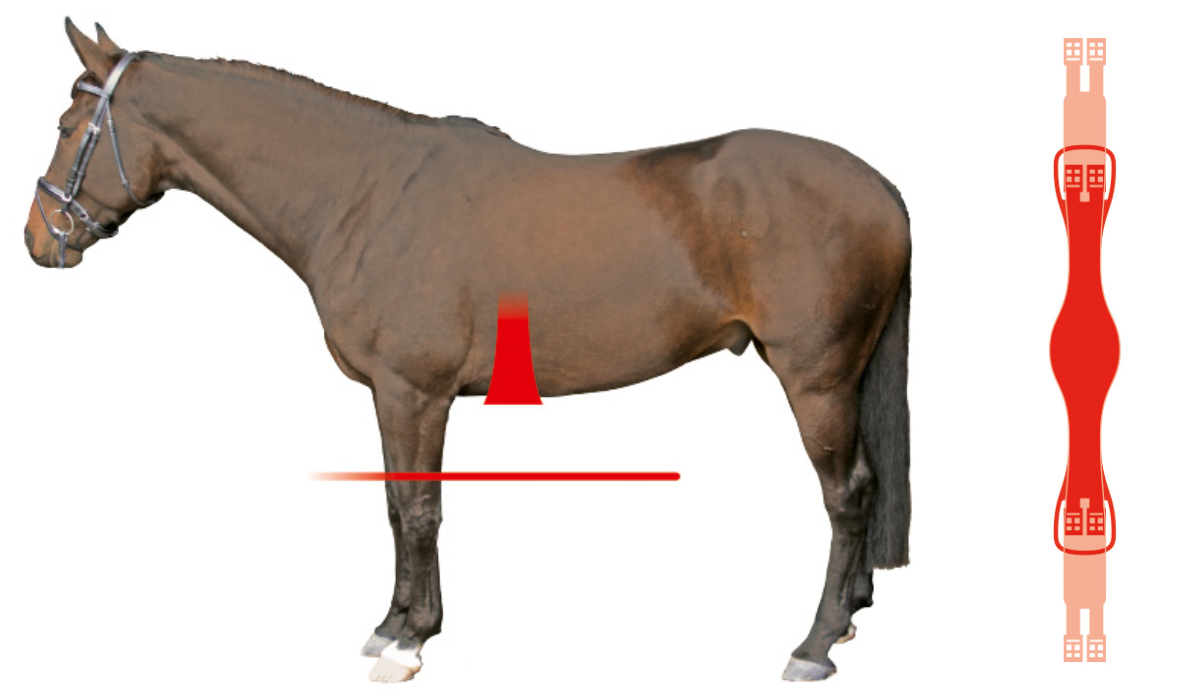
Asymmetric girth
If you have a horse with an athletic build, a short back, where the girth groove is closer to the elbows or less well defined and/or where the girth tends to sit further forward, then the asymmetric girth may be something for your horse. The girth is significantly shaped at the front around the elbow which gives extra freedom of movement for your horse. 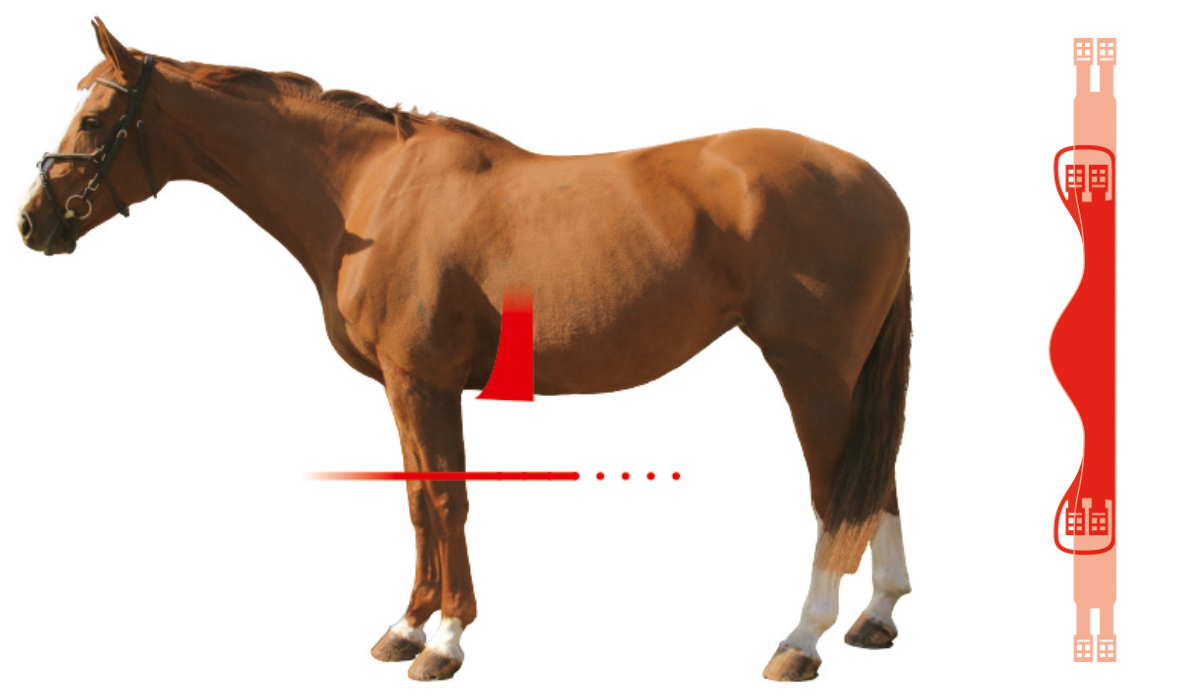
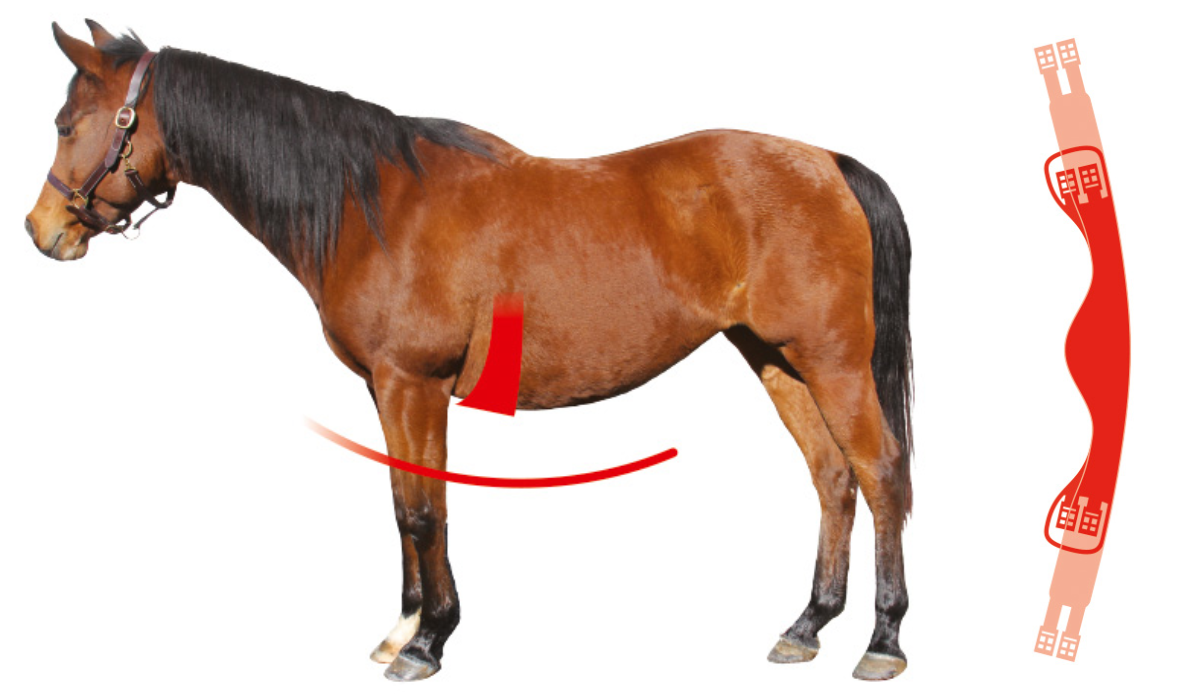
Crescent girth / banana girth
The crescent girth (also called the banana girth) is very suitable for "round" horses with a short back and wide ribcage or narrow chest. The girth follows the bulge of the belly, so pressure distribution is optimal. In addition, the special shape of this girth works together with the shape of the ribs, preventing the girth from sliding forward and therefore keeping the saddle in place better. These girths also have an anatomical shape that provides extra freedom of movement at the elbows.
Athletic girth
This girth is very suitable for horses with an athletic, wedge-shaped body build, as often seen in show jumping and eventing horses. This girth follows the bulge of the belly, ensuring optimal pressure distribution. The design of the girth also prevents the saddle and girth from sliding backwards in almost all cases. These girths also have an anatomical shape that gives optimal freedom of movement at the elbows. 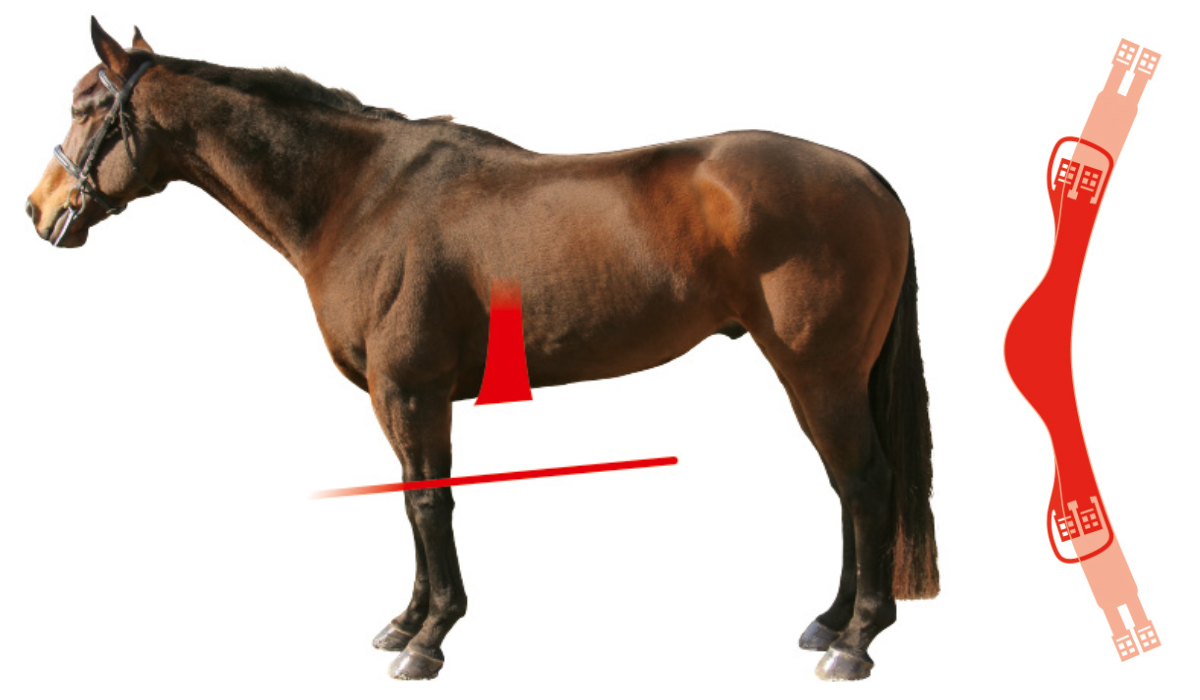
Straight girth
Also called the standard girth. These girths are generally suitable for horses that are not particularly sensitive in the girth area and do not have any problem zones here due to their anatomy and physique. 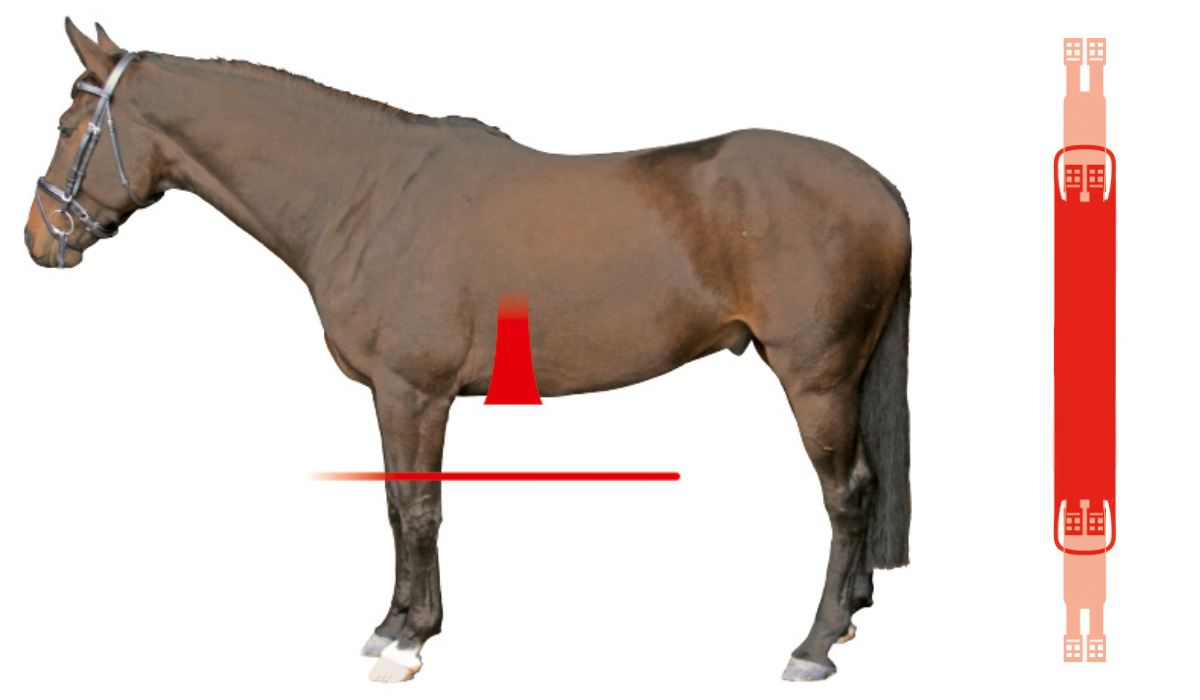
Different girth materials
Neoprene girths
Neoprene is a soft and flexible material that is well tolerated and is recommended for use on sensitive horses. Even when combined with sweat, it remains smooth. This girth is also easy to keep clean. The only disadvantage of neoprene is that it does not breathe well.
Leather girths
Leather girths are made of good quality, have a long lifespan and provide great comfort for the horse. This is because leather will shape with the horse. A disadvantage of leather is that it is sensitive to sweat, so you need to take extra care of the girth.
Nylon girths
Nylon is a very sturdy and durable material that is also easy to maintain. For sensitive horses, nylon may not be the most suitable material. When a horse starts to sweat, this girth can quickly cause wounds or irritation.
Memory foam girths
A girth with memory foam ensures that the girth adjusts perfectly to the shape of your horse. This in turn provides more comfort and freedom of movement. Memory foam also ensures that the horse experiences less pressure from the girth.
Girths with fur
Especially for sensitive horses, there are also girths with fur. This girth can reduce pressure or prevent chafing. The fur is available as a girth cover or is attached directly to the girth. The advantage of a girth cover is that you can also remove the fur and wash it separately. The advantage of a girth with fixed fur is that this fur cannot come loose, so there is less chance of skin irritation.
Wide range of girths
Looking for the ideal girth for your horse? At HypoStore, we understand how important it is to have the right equipment for you and your horse. That is why we have put together a wide range of top-quality girths, so you can always find the perfect option that meets all your requirements. Whether you are looking for a classic leather girth or an advanced anatomical girth. In addition, our employees are always ready to give you advice and explain about the different types of girths.


